- Telephone
- Email
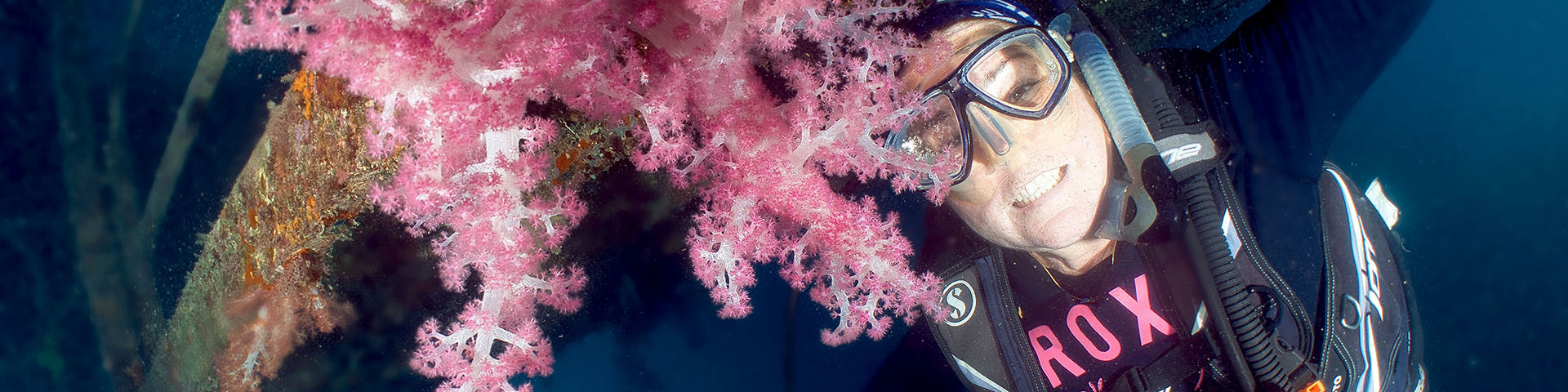
Learning to scuba dive on Cairns’ Great Barrier Reef is a bucket list item for lots of visitors and of course, we’ve got the best ‘classroom’ right here. Outstanding diving on the world’s largest tropical reef system with warm waters, colourful coral gardens and an abundance of marine life. There are a few different operators running PADI Open Water Diver courses in Cairns, and they all have variations on what is included in the price, so it can be hard to know who and what to choose. But, if you’re looking for the cheapest option we’ve got you covered and it’s Down Under Cruise who come in at $945, which includes 2 days of theory and pool practice, 2 Great Barrier Reef day tours and up to 5 dives. However, this one can only booked if you are starting the course on a Thursday and has limited availability. So, in this story we’ll unpack the top 5 for easy comparison and if we can help book your course, we’ll lend you a GoPro at no extra cost!
I Love Cairns note: All of the Cairns learn to dive courses are PADI Open Water Diver courses. PADI stands for the Professional Association of Diving Instructors, so your certification enables you to buddy dive anywhere in the world to a max depth of 18m. The theory, pool practice and open water dives will all be the same, no matter who you choose. The differences to look out for, is if you want day tours to the Great Barrier Reef, or would you rather stay overnight (or many nights) on a liveaboard boat, which is like a floating hotel. Also, how many dives do you get for your course price. Let’s go – we unpack this below.
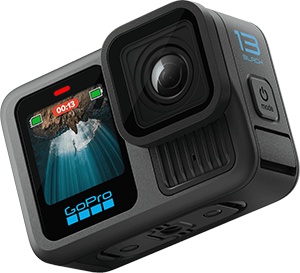
Get a free underwater camera rental when you book tours departing Cairns through us valued at over $750, we’ll lend you a GoPro underwater camera to use for the duration of your tours. Numbers are limited and allocated on a first-come basis. Get in touch with us to claim this deal today.

All the courses include Diver Instruction, instruction manuals, practice sessions in confined water (swimming pool) and the 4 training dives required to become a Certified Open Water Diver, which you do on the Great Barrier Reef.
Option 1. Down Under Cruise has the cheapest course, with day tours. It’s 4 days, which includes 2 days of theory and pool practice in Cairns and 2 day tours to the Great Barrier Reef. There are 5 scuba dives included in the course price, 4 training dives with your Dive Instructor and 1 certified dive where you go unguided with a buddy and can explore the Great Barrier Reef at your own pace. The minimum age to participate is 12 years old. Down Under Cruise is a PADI 5 Star Dive Centre. Their learn to dive courses start every Thursday. The day tours to the reef are on Evolution, which takes a maximum of 150-180 guests to the reef every day. Guests are a combination of snorkellers, certified divers and dive students.
Pros. It’s the cheapest course. Cons. It only starts 1 day a week. The Evolution dive deck can get really busy and cramped, which is not the best for learner divers.

Down Under Cruise take snorkellers, certified divers and dive students to the Great Barrier Reef on Evolution. Great looking boat. Dive deck can get busy, which can make for a rushed and frantic feeling.
Option 2. Divers Den is the closest comparison to Down Under Cruise and is the second cheapest learn to dive course in Cairns. This one is also a 4 day course, with 2 days of theory and pool practice in Cairns and 2 day tours to the Great Barrier Reef. There are 4 scuba dives included in the price, which are all training dives with your Dive Instructor at the Great Barrier Reef. The minimum age to participate is 10 years old, but if you are aged under 12 years old (so parents, this more a note for you) they will want you to pay for a private Dive Instructor. Their learn to dive courses start every day of the week, except Wednesday. The day tours to the reef are on AquaQuest, which takes a maximum of 80 guests to the reef every day. Guests are a combination of snorkellers, certified divers and dive students. While it costs $100 more, coming in at $1,045, it does deliver some benefits.
Pros. The boat limits passenger numbers to provide more space and comfort. The Dive Crew are very professional. Cons. It’s $100 more than the cheapest course, but in our opinion it’s a better option.

Divers Den take snorkellers, certified divers and dive students to the Great Barrier Reef on AquaQuest. Guest numbers limited to provide more space and comfort, a big win on the dive deck.
Option 3. Divers Den has the cheapest liveaboard learn to dive course, which includes staying overnight on the Great Barrier Reef. It’s 4 days, which includes 2 days of theory and pool practice in Cairns and then a 2 day / 1 night Great Barrier Reef tour, staying aboard OceanQuest. There are 4 scuba dives included in the price, which are all training dives with your Dive Instructor at the Great Barrier Reef. The minimum age to participate is 10 years old, but if you are aged under 12 years old (so parents, this more a note for you) they will want you to pay for a private Dive Instructor. Their learn to dive courses start every day of the week, except Wednesday. Your diving is done from the day boat transfer to the liveaboard boat, and then from the liveaboard boat, so you will see multiple sites. OceanQuest accommodates a maximum of 48 passengers, in twin, double and quad share cabins, each with private ensuite. Guests are a combination of snorkellers, certified divers and dive students.
Pros. It’s the cheapest liveaboard course, only $40 more than their day tour course (and $140 more than the overall cheapest course). You get to see sunrise and sunset over the Coral Sea, which is amazing. If you can stretch the budget, this one is worth it! Cons. There is limited availability during peak periods, so lock in your dates and book early.

OceanQuest is a spacious and comfortable floating hotel on the Great Barrier Reef. Maximum 48 passengers. Great crew, meals and diving. Lock this one in.
Option 4. Pro Dive Cairns is the closest comparison to Divers Den and is the second cheapest liveaboard learn to dive course in Cairns. This one is longer than Divers Den and provides more dives, for not much more cost. This is a 5 day course, with 2 days of theory and pool practice in Cairns and then a 3 day / 2 night Great Barrier Reef trip, staying aboard one of their three ScubaPro vessels. There are up to 9 dives, which are a combination of training dives with your Dive Instructor and unguided buddy dives once you are a certified diver. All dives are on the Great Barrier Reef. The minimum age to participate is 12 years old. Their learn to dive courses start every day of the week, except Sunday. ScubaPro vessels (there are 3, they are all the same) accommodates a maximum of 32 passengers, in twin and double cabins. Bathroom facilities are shared, with 8 shower and toilet areas available around the vessel. Guests are a combination of certified divers and dive students. While it costs $150 more than Divers Den’s 4 day / 1 night deal, you get more days and more diving, Worth it.
Pros. You get 3 days and 2 nights on the Great Barrier Reef. You complete your 4 training dives with 5 more dives included, including a night dive. Cons. The ScubaPro boats can move with the motion of the ocean, so if you suffer from seasickness, make sure you have your medication with you.

There are 3 ScubaPro boats which are all the same. Maximum 32 passengers. Shared bathroom facilities. 3 day / 2 night trip with 9 scuba dives, including Night Dives included in the price.
Option 5. Left of field option for your consideration. Divers Den provide a combined course which includes your Open Water and Advanced Open Water Diver certification. This gives you comprehensive dive training and skills and at the completion, you will be able to buddy dive to 30m / 100 feet, anywhere in the world. This is a 6 day course, with 2 days of theory and pool practice in Cairns and then a 4 day / 3 night Great Barrier Reef trip, staying aboard OceanQuest. There are 13 scuba dives included in the price, which are a combination of 9 training dives (4 for Open Water and 5 for Advanced Open Water) and 4 unguided buddy dives. All diving is done at the Great Barrier Reef. The minimum age to participate is 12 years old. This combined certification course starts every day of the week, except Wednesday. Your diving is done from the day boat transfer to the liveaboard boat, and then from the liveaboard boat. You will see and explore multiple outer reef sites. OceanQuest accommodates a maximum of 48 passengers, in twin, double and quad share cabins, each with private ensuite. Guests are a combination of snorkellers, certified divers and dive students. This is the most expensive option, but includes the additional level of certification and more time on the Great Barrier Reef.
Pros. You get 4 days and 3 nights on the Great Barrier Reef. You complete your 9 training dives with 4 more dives included, including a 2 night dives. Cons. There is limited availability during peak periods and you do spend a lot of time doing training dives.

OceanQuest is spacious and comfortable. You finish this one as an Advanced Open Water Diver certification, able to dive to 30m / 100 feet. This is for those wanting to turbo charge their scuba learning.
The cheapest Cairns learn to dive course in this comparison is the Down Under Cruise PADI Open Water Diver course, priced at $945. It includes two days of theory and pool training in Cairns, followed by two Great Barrier Reef day trips and up to five dives.
This course only starts on Thursdays and availability is limited, so it may not suit travellers with fixed dates.
All courses in this comparison include:
Liveaboard courses also include accommodation and meals while staying at the Great Barrier Reef.
Additional costs vary between operators. Possible extras can include environmental levies, medical assessments, prescription masks, private instruction, underwater camera hire, snacks, drinks and optional equipment upgrades.
Students aged under 12 may also need private instruction with some operators. Check the complete inclusions and additional costs before confirming your booking.
The cheapest course is not necessarily the best value for every traveller.
Down Under Cruise offers the lowest price, while Divers Den provides a lower-capacity day boat for only a modest increase. Divers Den’s OceanQuest course includes an overnight reef stay, while Pro Dive Cairns includes three days, two nights and up to nine dives.
The best value depends on whether your priority is the lowest price, more reef time, a smaller boat or additional recreational dives after certification.
Day-trip courses are generally cheaper and allow you to return to your Cairns accommodation each afternoon. They can suit travellers who prefer sleeping on land or have limited budgets.
Liveaboard courses provide more time at the Great Barrier Reef, less daily travel and the experience of waking up offshore. They may also include more diving opportunities once you have completed your certification dives.
Divers Den offers the cheapest liveaboard option in this comparison. The four-day course includes two days of theory and pool training, followed by two days and one night aboard OceanQuest.
The price is only slightly higher than Divers Den’s day-trip course, making it a strong option for students who want an overnight Great Barrier Reef experience.
The combined Divers Den Open Water and Advanced Open Water Diver course includes the most diving, with 13 dives scheduled across four days and three nights at the reef.
For students only completing an Open Water qualification, Pro Dive Cairns includes up to 9 dives on its 3 day / 2 night liveaboard trip.
Yes. The operators compared in this article provide PADI Open Water Diver certification.
The core knowledge, pool skills and four qualifying dives are based on PADI training standards. Differences between courses include the boat, schedule, group size, reef time, accommodation, number of additional dives and overall price.
Some operators may offer PADI eLearning, allowing you to complete part of the knowledge development before arriving in Cairns. However, course structures and prices vary. Contact us for more information.
No previous scuba diving experience is required for a PADI Open Water Diver course. The course is designed for beginners. You will learn the theory, practise essential skills in a swimming pool and complete four supervised training dives at the Great Barrier Reef.
You do not need to be a competitive swimmer, but you must be comfortable in the water. PADI students generally need to swim 200 metres without stopping and float or tread water for 10 minutes. The swim is not timed, but it must be completed without swimming aids.
The swimming and floating assessments are mandatory course requirements. If you cannot complete them, you may not be able to continue to the open-water training dives or receive certification. Anyone concerned about their swimming ability should practise before beginning the course.
Minimum ages vary between operators. Divers Den accepts students from 10 years old, although private instruction and additional costs may apply to children under 12. Down Under Cruise and Pro Dive Cairns generally require students to be at least 12 years old.
Children under 15 receive a Junior Open Water Diver certification with age-related depth and supervision restrictions.
Yes, provided every participant meets the minimum age, medical and swimming requirements. Families with younger children should check whether private instruction is compulsory and whether additional costs apply. Course schedules can be physically demanding, so children should also be comfortable with full training days and travelling offshore.
All students must complete a self-assessment diver medical questionnaire before training. You may need a medical examination and written clearance if you have certain health conditions or answer yes to particular questions. Relevant conditions can include asthma, heart problems, epilepsy, diabetes, lung conditions and chronic sinus issues.
Complete the questionnaire early so there is time to obtain medical clearance if required.
Standard rental scuba equipment is included with the courses compared in this article. This usually includes a mask, snorkel, fins, wetsuit, regulator, buoyancy control device, tanks, weights and dive computer. Prescription masks, cameras and optional equipment may cost extra.
Your Dive Instructor will demonstrate each skill and give you time to practise. You must successfully complete all required skills before certification can be issued. Students who require additional training, private instruction or extra dives may incur additional costs.
Seasickness can make training more difficult, particularly when students need to complete several dives in one day. Preventative medication generally works best when taken before the boat leaves Cairns. Speak with a pharmacist or doctor about a suitable option and follow the directions carefully.
We get seasick ourselves, which is why we have prepared a detailed guide to managing seasickness on Great Barrier Reef trips.
A liveaboard may still be suitable, but you will be offshore overnight and cannot simply return to Cairns if you feel unwell. Divers Den’s liveaboard vessel OceanQuest is a larger boat, which provides stability even in rough conditions. Pro Dive Cairns’ ScubaPro boats do tend to go with the ‘motion of the ocean’ so if think you need medication, arrange it beforehand.
You should not fly immediately after scuba diving. Courses involving multiple dives over several days generally require a minimum surface interval of at least 18 hours before flying. Do not book a flight for the same evening as your final reef day.
Travelling to altitude after diving can involve similar considerations to flying. Kuranda and parts of the Atherton Tablelands are elevated above sea level, so these trips should not be planned immediately after your final dive. Leave the recommended post-dive interval before travelling to altitude.
Yes. Solo travellers regularly join Cairns dive courses. You will train with other students and do not need to arrive with a dive buddy. Liveaboard operators can also allocate shared accommodation, subject to availability.
Yes. A certified diver can usually book the same reef trip or liveaboard departure, subject to availability. They will not normally join your training dives, but you may be able to dive together after you have completed the necessary certification requirements.
Non-divers and snorkellers can stay aboard OceanQuest, subject to availability and the package booked. Pro Dive Cairns’ liveaboard trips are more heavily focused on scuba diving, so suitability for non-diving companions should be checked before booking.
Book as early as possible when travelling during school holidays, peak season or when your dates are fixed. Liveaboard cabins, training places and private instructors are limited. The cheapest course also starts on only one day each week, which further limits availability.
It can be excellent value for someone serious about becoming a regular diver. You complete two PADI certifications, spend 4 days and 3 nights at the Great Barrier Reef and finish trained to dive to a maximum depth of 30 metres. The course also includes more supervised experience and recreational diving than a standard beginner course.
However, it is an intensive program and a large part of the trip is dedicated to training.
That depends on your priorities. The cheapest course gets you the same entry-level PADI certification, but a smaller or less crowded vessel may provide a more comfortable experience on the dive deck. This can matter when you are learning to assemble equipment, entering the water and preparing for multiple training dives.
In our opinion, paying slightly more can be worthwhile when it provides more space, extra reef time or additional diving.
We can help compare the different course structures, prices, boats, schedules and accommodation options. Our booking assistance does not increase the course price. Eligible bookings may also receive complimentary use of an underwater GoPro, subject to availability and our current booking conditions.

© I Love Cairns 2026
